
Puree diet
Read our guide below about a puree diet for people who have swallowing difficulties.
You can also download a PDF version of this patient information by following the link on the right.
You’ve been given this information because you, or the person you’re caring for has problems swallowing food or drinks. This is called ‘dysphagia’. This information will help you to choose foods that can make your swallowing easier and safer.
What is dysphagia?
If you have dysphagia, you may find it hard to:
- swallow food or drinks
- keep food and drinks in the mouth
- chew food.
You might also have:
- food staying in your mouth after swallowing
- food or drink ‘going down the wrong way’ making you cough or choke.
Food or drink that ‘goes down the wrong way’ may cause a chest infection which can be very serious.
Some people who have dysphagia don’t cough or choke on food or drink when it ‘goes down the wrong way’. This isn’t always a good sign because it means that food or drink can ‘go down the wrong way’ without you being aware of it. You must follow the advice below and from your speech therapist (SLT) or dietitian.
Signs of dysphagia include:
- coughing or choking when eating or drinking
- a gurgly, wet voice after eating or drinking
- food staying in your mouth after swallowing
- regular chest infections, for example, every 6 to 10 weeks throughout the year.
Contact your speech and language therapist or doctor if you notice any of these signs.
What is a purée diet?
This includes foods that:
- is usually eaten with a spoon
- doesn’t need chewing
- has a smooth texture with no lumps
- holds it shape on a spoon
- falls off a spoon in a single spoonful when tilted
- isn’t sticky
- are liquids (like sauces) which must not separate from solids.
How do I test my food to make sure it’s purée?
You can use:
- an IDDSI fork drip test. Use a fork to lift up some puréed food. The food shouldn’t dollop or drip continuously through the fork prongs.
- an IDDSI spoon tilt test. Food holds its shape on the spoon and falls off fairly easily if you tilt or lightly flick the spoon.
Puréed food must pass both these tests.
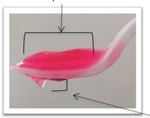
Extremely thick liquids sit in a mound or pile above the fork (above). A small amount may flow through and form a tail below the fork as seen in the picture.
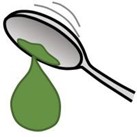
With the IDDSI Spoon Tilt Test, the sample holds its shape on the spoon and falls off fairly easily if you tilt or lightly flick the spoon. The sample shouldn’t be firm or sticky.
How do I make puréed food?
To get the right consistency, you’ll need either a liquidiser or hand blender. You may need to add more fluid to get the consistency right. Use milk, sauces, stock or fruit juice instead of water to add more calories.
Meats, vegetables and potatoes should be well cooked and tender before pureeing. Try stewing or casseroling and remove skins, large seeds and bones.
Sieve if necessary, to remove small seeds/skins.
High risk foods to avoid
Food characteristics to avoid |
Examples of foods to AVOID |
| Mixed thin and thick textures | Soup with pieces of food, cereal with milk, yoghurt with lumps/bits |
| Hard or dry | Nuts, raw vegetables (for example, carrots, cauliflower, broccoli). Dry cakes, bread, dry cereal, pastry (for example, pies, sausage rolls, rice). |
| Tough or fibrous | Steak, pineapple, oranges, apple, grapefruit |
| Chewy | Lollies/candies/sweets, cheese chunks, marshmallows, chewing gum, sticky mashed potato, dried fruits, sticky foods |
| Crispy | Crackling, crisp bacon, cornflakes |
| Crunchy | Popcorn, food with crusts |
| Sharp or spiky | Corn chips and crisps |
| Crumbly bits | Bread, dry cake crumble, dry biscuits |
| Pips, seeds | All pips/seeds, for example apple seeds, pumpkin seeds |
| Food with skins or outer shell | Peas, chicken skin, salmon skin, sausage skin, pulses, chickpeas/butterbeans etc sweetcorn, grapes, berries/currants, cucumber with skin |
| Food with husks | Corn, shredded wheat bran |
| Bone or gristle | Chicken bones, fish bones, other bones, meat with gristle |
| Sticky or gummy | Nut butter, overcooked oatmeal/porridge, edible gelatin, konjac containing jelly, sticky rice cakes |
| Stringy/fibrous | Beans, rhubarb, celery, lettuce, uncooked spinach leaves |
| Crust formed during cooking or heating | Crust or skin that forms on food during cooking or after heating, for example, cheese topping, mashed potato – this should be removed before eating |
| Juicy food | Where juice separates from the food piece in the mouth, for example watermelon |
| Visible lumps | Lumps in puréed food or yoghurt |
Which foods are suitable for purée?
Not all foods can be puréed to produce a safe texture. Use these tables as a guide.
Protein foods
Type of food |
Suitable texture – no need to purée |
Suitable to purée |
May be suitable to purée *use suitable vegetables only |
Not suitable to purée |
| Meat
Meat products |
Smooth meat paste
Smooth paté |
Tender, well cooked beef, lamb, pork, chicken, turkey, mutton, offal (skin removed from chicken and turkey)
Tender well cooked tofu, soya products that meet the IDDSI fork drip/spoon tilt test.
|
Sausage meat
Sausages including meat free varieties (skins removed) Meat/meat free pies (must be tender meat in gravy and soft pastry*) Tender stews or casseroles* Curries * Faggots Shepherds/ cottage pie |
Tough meats sausage skins Bacon
Breadcrumb/ battered meats Burgers Chilli con carne, meat pasties, sausage rolls |
| Fish | Smooth fish paste, smooth fish paté
Taramasalata |
Fish in sauce without bones
Tinned tuna/ salmon – bones removed Tinned fish in tomato sauce – bones removed, crab |
Fish with bones, for example, sardines whitebait
Battered/breadcrumb fish Shellfish Squid |
|
| Eggs | Egg mayonnaise
Scrambled egg |
Quiche / omelettes
Fried, poached and boiled eggs |
||
| Cheese | Plain soft cheese and plain cheese spread (for example, cream cheese) | Grated cheese – very well mixed into hot food only | Cheese toppings/bits
Hard cheeses Paneer |
Starchy carbohydrate foods
Type of food |
Suitable texture no need to puree |
Suitable to puree |
May be suitable to puree |
Not suitable to puree |
| Potatoes | Instant mashed potato | Mashed potato
Boiled potatoes (no skins) Inside of jacket potato |
Potato salad (skinless potato and mayonnaise only) | Potatoes in their skins
Roast potatoes chips Potato croquettes Other fried potatoes |
| Pasta | Tinned macaroni cheese
Tinned pasta in tomato sauce Tinned ravioli Well cooked pasta with smooth sauce |
Homemade pasta dishes for example, spaghetti bolognese
(well-cooked pasta with smooth sauce) |
Pasta salad Al denté pasta Filled pasta
Pasta ‘ready meals’ Chinese style noodles |
|
| Rice | Boiled rice
Rice salad Fried rice Savoury rice |
|||
| Cereals | Porridge Ready Brek
Well-soaked Weetabix |
All other breakfast cereals | ||
| Bread | Soft breadcrumbs added to soup | All other bread
Sandwiches |
Fruit and vegetables
| Type of food | Suitable texture – no need to purée | Suitable to purée | May be suitable to purée | Not suitable to purée |
| Vegetables | Peeled and well-cooked root vegetables such as carrot swede turnip parsnip sweet potato yam
Well-cooked broccoli and cauliflower Peeled and well- cooked pumpkin and squash Avocado |
The following must be sieved to remove skins, seeds and ‘strings’:
Well-cooked plantain (not fried) Dhal/lentils Baked beans |
Salad vegetables, for example:
Raw vegetables Lightly cooked vegetables Mushrooms Onion Leeks Peppers Prepared salads for example, coleslaw Ratatouille |
|
| Fruit | Banana
Peeled and stewed – apple, pear, peach Tinned pears, peaches, mango |
Strawberries, kiwi fruit, mango, watermelon (must be sieved and may need thickening)
All the following must be sieved: stewed or tinned – rhubarb, plums, blackcurrants, raspberries, cherries, apricots, prunes, gooseberries, strawberries |
Other foods
Type of food |
Suitabletexture – no need to purée |
Suitable to purée |
May be suitable to purée |
Not suitable to purée |
| Soups | Smooth soups | ‘Bitty’/ chunky soups | ||
| Pastry | Soft pastry as part of suitable meat/ fruit pie | Crisp pastry | ||
| Nuts | Smooth nut butters
Creamed coconut |
Crunchy nut butters
Other coconut and nuts |
||
| Crisps/savoury snacks | All crisps/ savoury snacks | |||
| Biscuits | Plain biscuits (no nuts, dried fruit, grains, jam, cream fillings etc.) soaked in thick liquid | All other biscuits and crackers | ||
| Cakes/puddings/desserts including yoghurt and ice cream | Semolina
Ground rice pudding Thick custard Blancmange Angel Delight/ Instant Whip Smooth mousse Smooth yoghurt/ fromage frais Cheesecake (without base or topping) |
Tapioca
Sago Egg custard (without pastry) Tiramisu Junket Pannacotta |
Plain rice pudding (without dried fruit, skin etc).
Plain sponge/ sponge pudding with syrup, lemon curd, seedless jam, chocolate sauce puréed with custard, cream Custard tart (soft pastry) Fruit fool (no seeds) Stewed fruit (suitable fruit) Fruit yoghurt/ fromage frais (sieved) Trifle with suitable fruits only |
Jelly
Ice cream All other cakes, puddings and desserts Fruit crumble/fruit pie |
Snack ideas
These include:
- pureed sandwiches – see ‘dysphagia meal prep: wrap and sandwich (IDDSI Level 4 pureed)’ on YouTube
- soup* – ensure no bits/lumps/croutons.
- pureed porridge/Ready Brek
- pureed fruit (ripe soft fruit/frozen fruit will puree best- may need to sieve if pips/seeds) – can add yogurt, evaporated milk, custard etc
- instant whip pudding (for example, Angel Delight)
- mousse
- smoothies* – remove pips/seeds
- milky drinks*
- yogurt/custard/smooth puddings
- savoury dips – taramasalata/hummus/pate
- soft smooth cheese, for example Boursin, Laughing Cow
* SLT may tell you/your family member that you need thickened fluids. You may need to add thickener to these items for the appropriate thickness.
Nutrition and fluid
On a purée diet it is important to eat foods from all of the food groups in line with the NHS Eat Well Guide. This will help to make sure you get all the nutrients you need to promote recovery and stay healthy.
Each day include 6 to 8 mugs or glasses of fluid (including all hot and cold drinks) to help support your skin and kidneys and stay hydrated. Do this even if you don’t feel thirsty. Thirst is often a poor indicator of nutritional intake.
Follow the advice of your speech and language therapist if you need to thicken your drinks. Sometimes this is only for a short period of time.
Fortifying food
On a purée diet, you may need to increase the nutrient and energy content of your food and drink to get enough calories and protein.
If you need to have thickened fluids, you may need to add thickener to drinks/ liquids in addition to the ingredients suggested below.
| Food | Foods to add to increase calories / protein |
| To soups (fresh, tinned, powdered)
To sauces |
Grated cheese, dried skimmed milk powder, evaporated milk, cream, crème fraiche
Full fat yoghurt, cream, grated cheese, smooth nut butter, butter, ghee, oils (you can use different flavours) |
| To vegetables | Grated cheese, full fat natural yoghurt or mayonnaise, butter, ghee or margarine, oils for example, olive, rapeseed, flavoured oils |
| To milk (full fat if possible) | Blend with 3 to 4 tablespoons of skimmed milk powder to make fortified milk. Use this to make hot drinks, flavoured milk, milkshakes and in sauces
|
Can I use baby foods?
Baby foods aren’t designed for adults and won’t give your body all the nutrients it needs. Baby foods tend to be quite bland which doesn’t suit adult tastes. They’re not advised for people with dysphagia.
What about mouth care?
Chewing helps produce saliva which keeps the mouth healthy. Cleaning your mouth and teeth regularly is very important because you chew less when eating a purée diet, so you produce less saliva.
How can I make purée meals look attractive?
Purée foods separately to retain flavours and arrange the purées individually on the plate. You can also pipe food or use food moulds.
Serve brightly coloured vegetables next to paler foods, for example, puréed carrots or broccoli with puréed potato and puréed chicken in a creamy sauce.
Add flavour by using spices, herbs, soy sauce, Worcester sauce, tomato sauce, barbecue sauce, curry sauce or mint jelly.
Ready prepared meals
If preparing purée meals is difficult for you or your carer, try ready prepared meals delivered to your door from:
About this information
This is intended as general information only. We make the information as up to date and accurate as possible, but it’s subject to change. Check specific advice on any concerns you may have with your doctor.
How can you help reduce healthcare associated infections?
Infection prevention and control is important to the wellbeing of our patients so we have infection prevention and control procedures in place. Keeping your hands clean is an effective way of preventing the spread of infections. Follow our infection prevention and control guidelines when visiting our healthcare sites.